
- Details
- Written by Administrator
- Category: Haadith
- Hits: 118

1#.
Jabir reported: The Prophet, peace and blessings be upon him, said, “Whoever receives a donation and mentions it has shown gratitude, but if he hides it, he has been ungrateful.”
Grade: Sahih (authentic) according to Al-Arna’ut
عَنْ جَابِرٍ عَنِ النَّبِيِّ صَلَّى اللهُ عَلَيْهِ وَسَلَّمَ قَالَ مَنْ أُبْلِيَ بَلَاءً فَذَكَرَهُ فَقَدْ شَكَرَهُ وَإِنْ كَتَمَهُ فَقَدْ كَفَرَهُ
4184 سنن أبي داود كتاب الأدب باب في شكر المعروف
7/190 المحدث شعيب الأرناؤوط خلاصة حكم المحدث إسناده صحيح في تخريج سنن أبي داود

2#.
Umar ibn al-Khattab reported: The Messenger of Allah, peace and blessings be upon him, said, “Destruction is in gold and silver coins.” Umar said, “O Messenger of Allah, you said destruction is in gold and silver coins, so what do you instruct us or what should we work for?” The Prophet said, “A tongue of remembrance, a grateful heart, and a spouse to help you with your Hereafter.”
Source: al-Zuhd li-Aḥmad ibn Ḥanbal 104
Grade: Hasan (fair) according to Al-Albani
عَنْ عُمَرَ بْنِ الْخَطَّابِ قَالَ قَالَ رَسُولُ اللَّهِ صَلَّى اللَّهُ عَلَيْهِ وَسَلَّمَ تَبًّا لِلذَّهَبِ وَالْفِضَّةِ قَالَ عُمَرُ يَا رَسُولَ اللَّهِ قَوْلُكَ تَبًّا لِلذَّهَبِ وَالْفِضَّةِ فَمَا تَأْمُرُنَا أَوْ مَا نَصْنَعُ قَالَ لِسَانًا ذَاكِرًا وَقَلْبًا شَاكِرًا وَزَوْجَةً تُعِينُ عَلَى الْآخِرَةِ
104 الزهد لأحمد بن حنبل
2907 المحدث الألباني خلاصة حكم المحدث حسن في صحيح الجامع
- Details
- Written by Administrator
- Category: Haadith
- Hits: 157
Praise be to Allah, and blessings and peace be upon the Messenger of Allah:
Is it obligatory to follow a madhhab?
It is not obligatory for a Muslim to follow any particular madhhab among the four madhhabs. People vary in their level of understanding and ability to derive rulings from the evidence. There are some for whom it is permissible to follow (taqlid ), and indeed it may be obligatory in their case. There are others who can only follow the Shar`i evidence.
In Fatawa al-Lajnah al-Daimah, this question was answered in a detailed manner, which is worth quoting here in full.
Question:
What is the ruling on following one of the four madhhabs in all cases and situations?
The Committee replied:
“Firstly: the four madhhabs are named after the four imams – Imam Abu Hanifah, Imam Malik, Imam al-Shafi'i and Imam Ahmad.
- Details
- Written by Administrator
- Category: Haadith
- Hits: 274
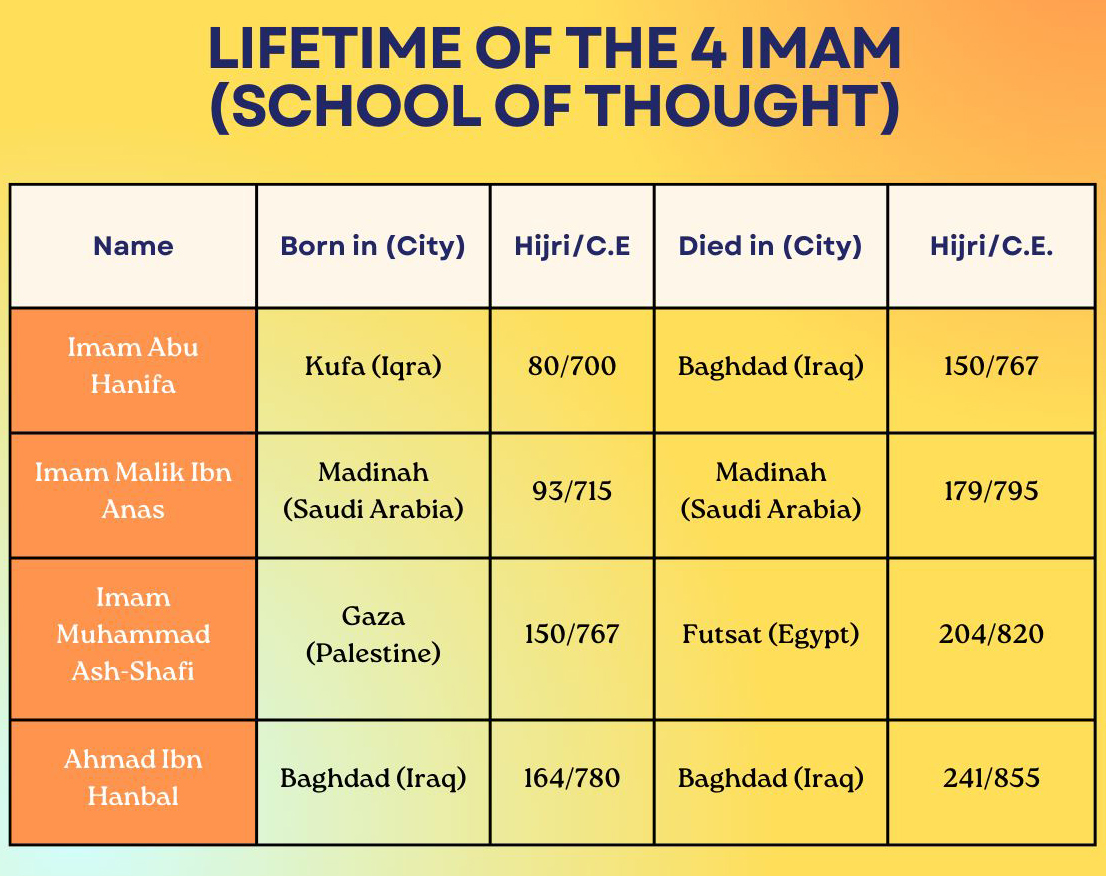 1. Chronological Timeline and Biographies
| Imam | Full Name | Lifespan (Hijri/AH) | Lifespan (Common Era/CE) |
|---|---|---|---|
| Imam Abu Hanifa | Nu’man ibn Thabit | 80 – 150 AH | 699 – 767 CE |
| Imam Malik | Malik ibn Anas al-Asbahi | 93 – 179 AH | 711 – 795 CE |
| Imam al-Shafi'i | Muhammad ibn Idris al-Shafi'i | 150 – 204 AH | 767 – 820 CE |
| Imam Ahmad | Ahmad ibn Muhammad ibn Hanbal | 164 – 241 AH | 780 – 855 CE |
| School | Primary Methodology | Key Secondary Sources | Major Geographic Presence |
|---|---|---|---|
| Hanafi | Emphasis on reason and opinion (Ra'y) | Ijtihad (reasoning) & Urf (local custom) | South Asia, Turkey, Balkans, Central Asia |
| Maliki | Textual focus with communal perspective | Amal of Medina (Prophetic tradition in Medina) | North & West Africa, parts of the Gulf |
| Shafi'i | Balance between text and logic | Strong reliance on Hadith and strict Qiyas (analogy) | SE Asia (Indonesia/Malaysia), East Africa, Egypt |
| Hanbali | Strict traditionalism and literalism | Predominantly Quran and Hadith | Saudi Arabia, Qatar |
- Succession: Imam al-Shafi'i was born in the same year that Imam Abu Hanifa passed away (150 AH).
- Direct Mentorship: Imam Malik was a teacher to Imam al-Shafi'i.
- Direct Mentorship: Imam al-Shafi'i was a teacher to Imam Ahmad ibn Hanbal.
- Inter-School Learning: Imam Abu Hanifa’s lead students (like Imam Muhammad al-Shaybani) also taught Imam al-Shafi'i, blending the legal traditions of Iraq and Medina.
- Legal Rulings: While they agree on the core tenets of Islam, they may differ on specific physical movements during prayer (Salah) or technical requirements for pilgrimage (Hajj).
- Note on Shia Islam: In Shia Islam, the term "Imams" refers to a specific lineage of 12 leaders beginning with Ali ibn Abi Talib, which is a separate historical and theological lineage from these four jurists.
- Details
- Written by Administrator
- Category: Haadith
- Hits: 138
The Pioneer Generation (The Companions)
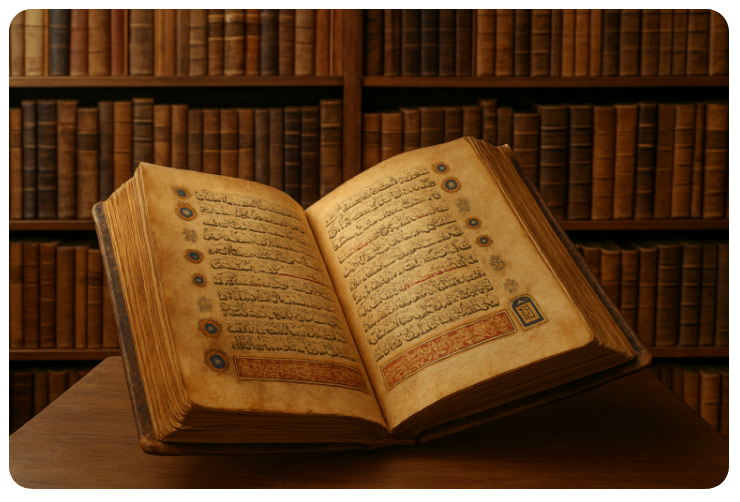
- Abu Hurayra He is considered the most prolific narrator of Hadith, having memorized and narrated over 5,000 traditions. Many prominent later scholars studied under him.
- Abdullah ibn Abbas A cousin of the Prophet, he was highly regarded for his deep knowledge and critical interpretation of the Qur'an and Hadith. He held classes that were considered foundational to Islamic scholarship.
- Abdullah ibn Amr ibn al-As He was one of the few companions who actively wrote down everything he heard from the Prophet Muhammad. His personal collection was called Al-Sahifah al-Sadiqah ("The Book of the Truth"), which was later incorporated into the larger Musnad of Imam Ahmad ibn Hanbal.
- Ali ibn Abi Talib The fourth Caliph, he also had a written collection (sahifa) from the Prophet Muhammad, primarily concerning laws of zakat (taxation).
- Details
- Written by Administrator
- Category: Haadith
- Hits: 415









































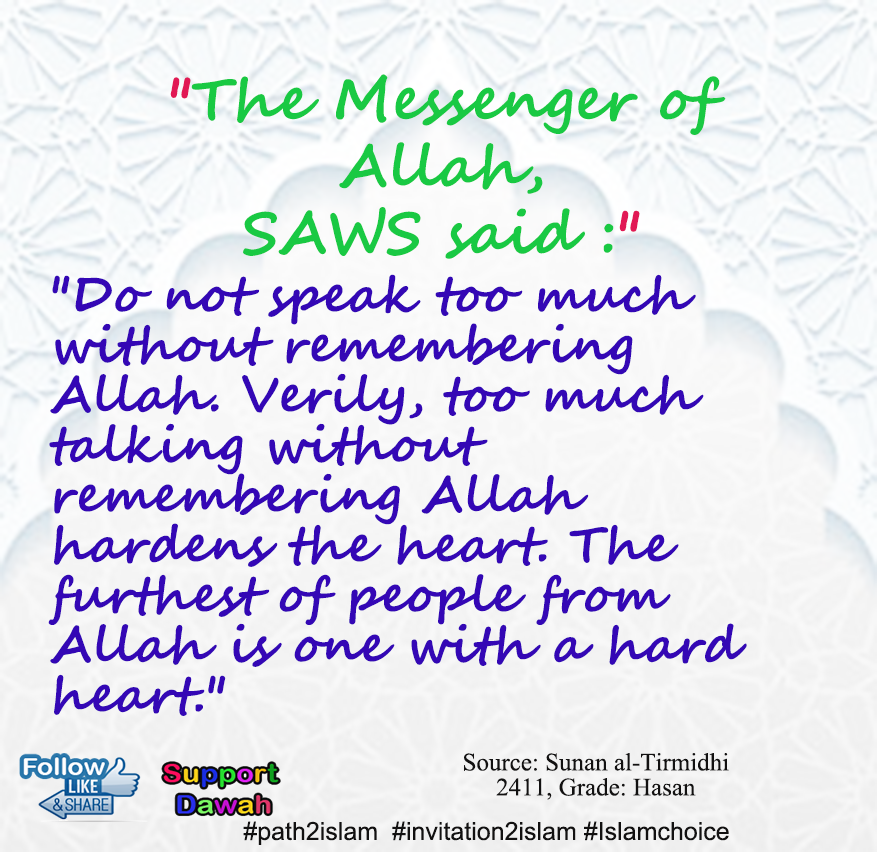



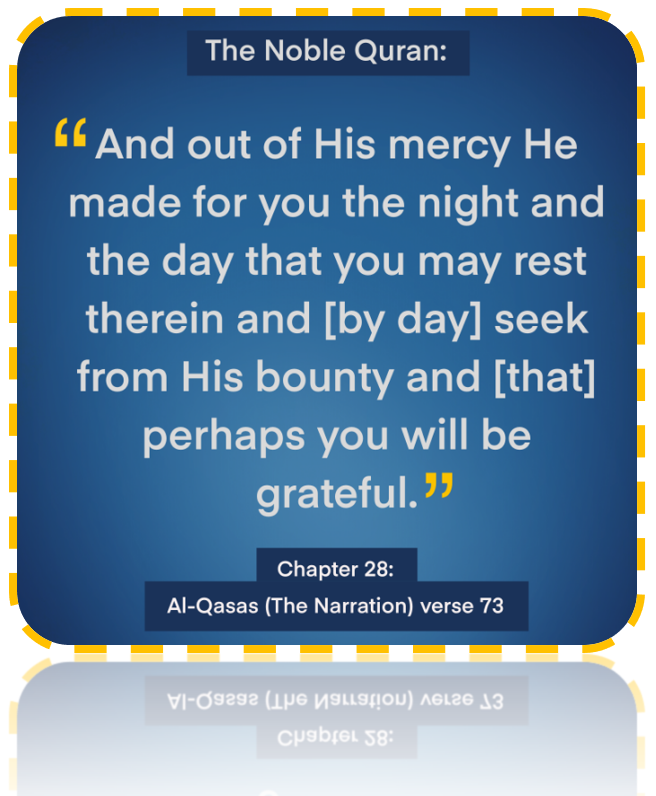




http://path2islam.com/eng/index.php/haadith#sigProId49cf8ec0cd
Subcategories
FaceBook Box Spa
Visitors Counter
 | Today | 284 |
 | Yesterday | 2496 |
 | This_Week | 2856 |
 | This_Month | 8979 |
 | All_Days | 528660 |